



STORYDOING AS A MARKETING STRATEGY AND ITS IMPACT ON CONSUMER EXPERIENCE IN THE AGRICULTURAL SECTOR
Article Sidebar
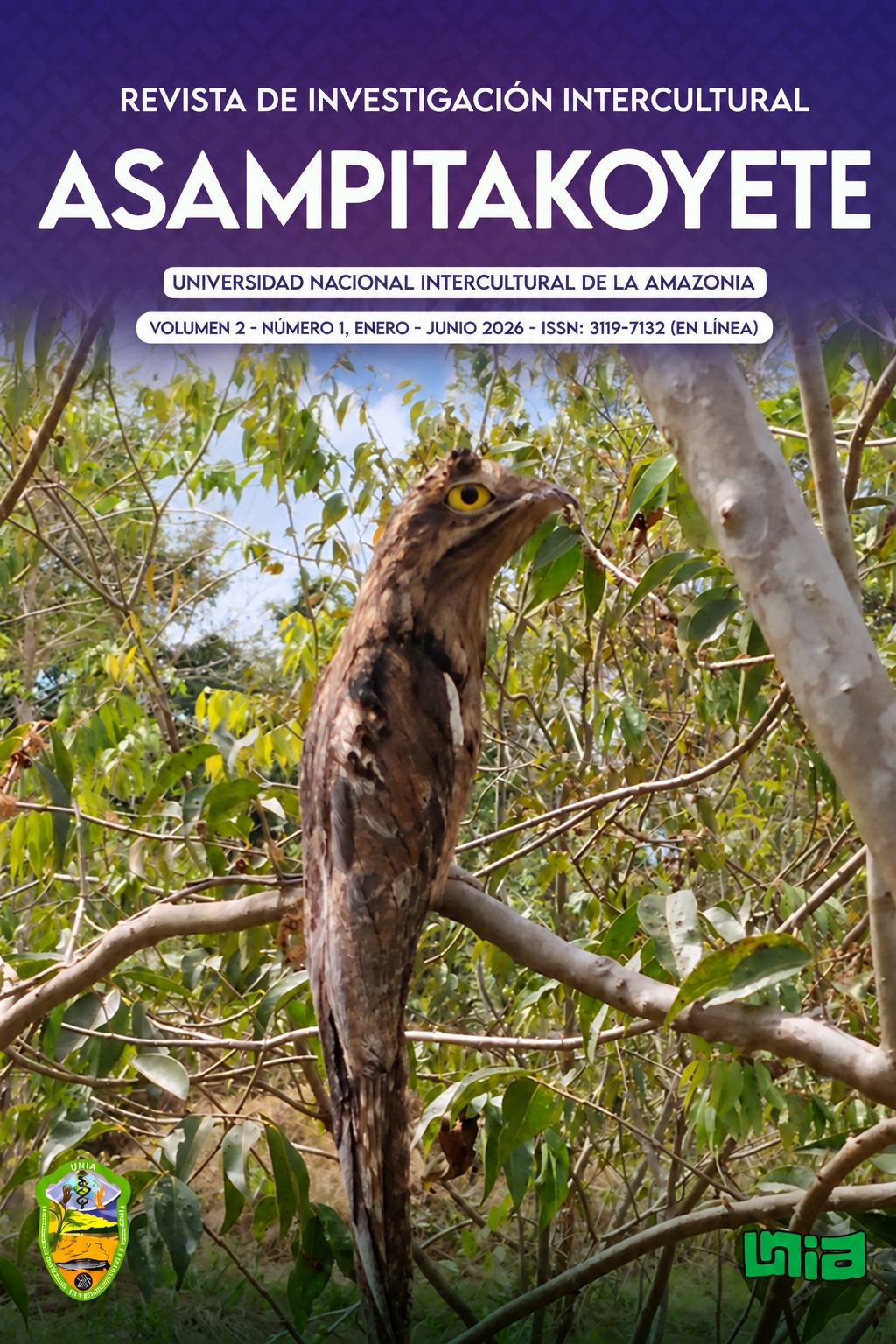
Main Article Content
Abstract
In today's highly competitive agricultural environment, rural producers and businesses face the constant need to differentiate themselves through marketing strategies that generate value and memorable experiences for consumers. This study analyzes the impact of storydoing as a marketing strategy on consumer experience within the agricultural sector. A quantitative, descriptive study was conducted, based on surveys of consumers who frequent agritourism farms and agroecological fairs. The findings demonstrate the implementation of immersive and participatory experiences, such as guided tours of crops, assisted harvests, and narratives about the product's origin. Furthermore, storydoing-based strategies contribute to strengthening the producer's positioning and consolidating a deeper emotional connection between the consumer and the food's origin. Storydoing is thus established as a highly relevant strategic tool for innovation in agricultural marketing, transforming the purchasing experience into a differentiating factor within a highly competitive market.
Downloads
Article Details
Section

This work is licensed under a Creative Commons Attribution 4.0 International License.
How to Cite
References
Hollebeek, L., & Macky, K. (2019). Digital content marketing’s role in fostering consumer engagement, trust, and value: Framework, fundamental propositions, and implications. Journal of Interactive Marketing, 45, 27–41. https://doi.org/10.1016/j.intmar.2018.07.003
Instituto Nacional de Estadística y Censos [INEC]. (2023). Resultados del Censo de Población y Vivienda 2022. https://www.ecuadorencifras.gob.ec/censo-de-poblacion-y-vivienda-2022/
Kotler, P., Kartajaya, H., & Setiawan, I. (2021). Marketing 5.0: Tecnología para la humanidad. John Wiley & Sons.
Lemon, K., & Verhoef, P. (2016). Comprender la experiencia del cliente a lo largo de todo el recorrido del cliente. Journal of Marketing, 80(6), 69–96. https://doi.org/10.1509/jm.15.0420
Lund, N., Cohen, S., & Scarles, C. (2018). El poder de la narración en redes sociales en la creación de marca de destinos. Journal of Destination Marketing & Management, 8, 271–280. https://doi.org/10.1016/j.jdmm.2017.05.003
Schmitt, B. (2019). Experiential marketing: Concepts, frameworks and consumer insights. Foundations and Trends in Marketing, 13(1), 1–116. https://doi.org/10.1561/1700000054
So, K., & Li, X. (2020). Customer Engagement in Hospitality And Tourism Services. Journal of Hospitality & Tourism Research, 44(2), 171–177. https://doi.org/10.1177/1096348019900010
Verhoef, P., Kannan, P., & Inman, J. (2017). From multi-channel retailing to omni-channel retailing: Introduction to the special issue on multi-channel retailing. Journal of Retailing, 93(2), 174–181. https://doi.org/10.1016/j.jretai.2017.02.005
Vinces, V., & Cueva, A. (2024). Estrategia de Marketing Digital en la Agricultura Familiar Campesina: Caso del Camote de pulpa anaranjada en Manabí. Digital Publisher, 9(3), 772-789. https://doi.org/10.33386/593dp.2024.3.2476
Yueh, H., & Zheng, Y. (2019). Effectiveness of Storytelling in Agricultural Marketing: Scale Development and Model Evaluation. Frontiers in Psychology, 10, 452. doi: 10.3389/fpsyg.2019.00452
Zarantonello, L., & Schmitt, B. (2019). Using the brand experience scale to profile consumers and predict consumer behavior. Journal of Brand Management, 27(1), 52–63. https://doi.org/10.1057/s41262-019-00163-0